EU border externalisation: updates for Iraq and Bangladesh
Topic
Country/Region
03 March 2026
Two 'action files' obtained by Statewatch update European government ministers on the state of counter-migration spending and projects in Bangladesh and Iraq. Both countries were recently reported by the EU to be cooperating more on deportations of their citizens from Europe, and these 'action files' reveal considerable effort from the EU to further restrict migration.
Support our work: become a Friend of Statewatch from as little as £1/€1 per month.
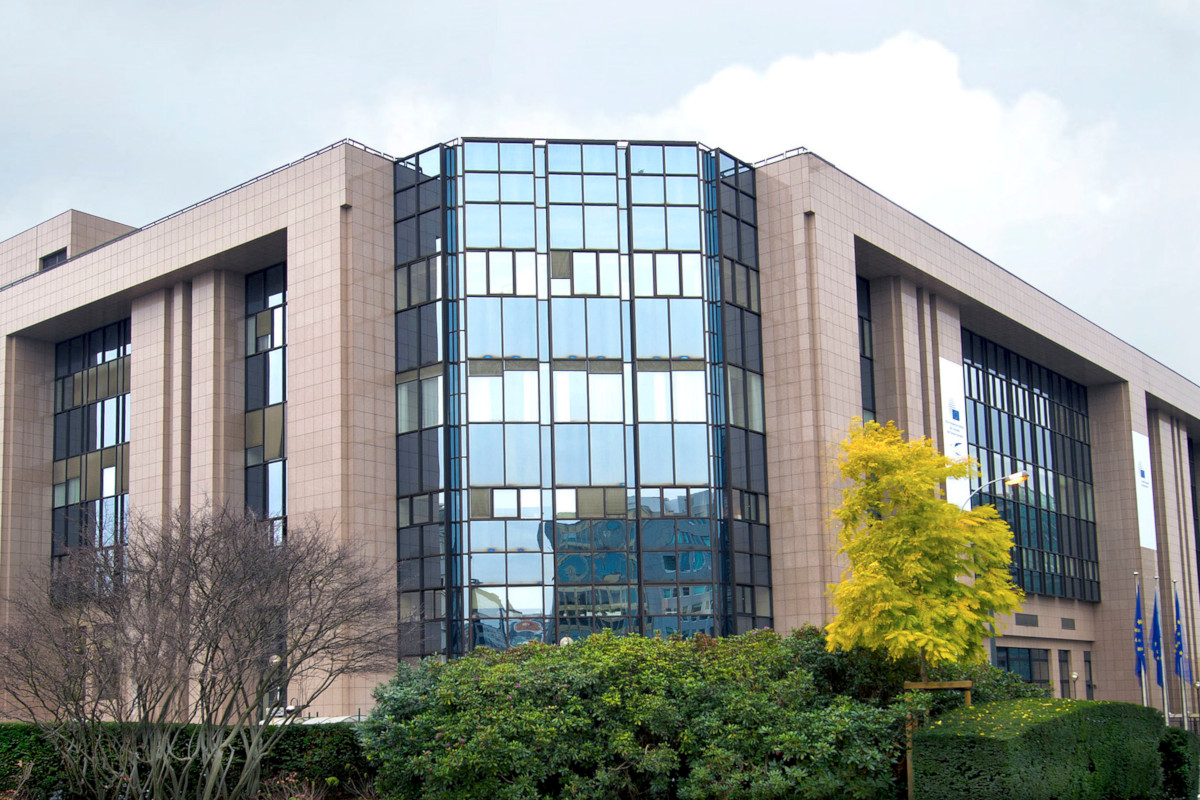
Image: Council of the EU
Written and researched by Cezary Dziółko.
At a 17 October 2025 meeting of the EU Council’s Operational Coordination Mechanism for the External Dimension of Migration (MOCADEM) working party, member state delegations discussed updates to the ‘action files’ for Bangladesh and Iraq.
These ‘action files’ sum up the EU’s activities and future ambitions for border externalisation and other related projects in partner countries. Such efforts include, among others, “use of visa leverage to improve readmission cooperation", “migrant smuggling and trafficking in human beings” and increasing deportations.
That Iraq and Bangladesh were discussed is notable given that both were described as having improved their cooperation with the EU on deportations, in a recent document obtained by Statewatch.
The full, though redacted, action files for Iraq (pdf) and Bangladesh (pdf) have now been published.
Iraq:
The action file on Iraq – produced for the MOCADEM working party on 14 October 2025 – advocates continued support to Iraq’s National Management strategy, as well as “measures to address the root causes of fragility, forced displacement and irregular migration” and increase forced deportations.
Priority actions in this vein include keeping migration a central issue in political dialogue, deportations in particular, and concluding negotiations on the EU-Iraq deportation arrangement. Various past and planned meetings with high-level Iraqi officials are listed to these ends. The file also makes mention of a European return liaison officer posting for Iraq, and the search for a suitable candidate.
The section on ‘Use of visa leverage’ for deportation cooperation is redacted but, judging from the above, whatever those efforts were, they were successful.
The action file shows EU spending of around €273.4 million for migration management in Iraq. The largest share of that comes via the external NDICI-Global Europe funding instrument, and amounts to €225 million over the period 2021-2027. There is also mention of a €30m ‘Special Measure’ that was to be adopted in late 2025.
Individual member states are reported to have contributed their own projects, including €10.9m via Germany’s ‘Centers for Migration and Development’ programme, and €2.5m from Sweden through the ‘Nordic NORAQ cooperation framework’. France’s contribution is redacted.
Bangladesh:
Priorities in the action file on Bangladesh - produced 10 October 2025 - include preventing irregular migration, fostering effective cooperation and providing assistance to the Rohingya ethnic minority.
The document notes that the EU’s relationship with Bangladesh has proven resilient, and cooperation was unaffected by the 2024 collapse of the Sheikh Hasina government. Vacancies are reported for the positions of European migration liaison officer and return liaison officer.
Between January and August 2025, 842 people were deported to Bangladesh on scheduled flights, and two Frontex-supported operations returned another 49 people. Frontex is also reported to have assisted Greece with ‘double-destination’ deportation flights to Bangladesh and Pakistan in 2024 and 2025.
A €12 million projected, implemented by the International Centre for Migration Policy Development and ended December 2024, focused on training Bangladeshi border and immigration officials. The project is reported to have led to a 200% increase in fraudulent travel document detection. A follow-up project is being prepared. Another €20m program, PROTTASHA II, addresses reintegration support, working with the IOM and the BRAC development organisation.
There has also been significant activity on anti-trafficking projects since January 2025, including the digitalisation of Bangladesh’s systems. These projects have been implemented under the NDICI-funded ‘Regional Migration’ programme.
Alongside EU-level spending, Sweden is reported to have provided €20m between 2024 and 2026, and Italy provided €2m across two projects.
Our work is only possible with your support.
Become a Friend of Statewatch from as little as £1/€1 per month.
Further reading

Schengen borders: more deportations, surveillance and militarisation in the works
An internal EU report obtained by Statewatch offers an update on efforts to strengthen border and immigration controls in the Schengen area in the first half of 2025. The report reflects a desire to step up the anti-migrant policy agenda pursued by European policymakers in recent years – more deportations, more surveillance and more militarisation of borders.
The EU targets Guinea for visa punishment: a sign of what's to come
On 15 July 2025, the European Commission proposed punitive visa sanctions against Guinea, marking an escalation in its campaign to force third countries to cooperate on deportations. This move, based on Article 25a of the EU Visa Code, cites Guinea’s persistent “failure to cooperate sufficiently” with the EU’s deportations agenda. It is emblematic of the coercive diplomacy the EU is willing to resort to, even if the results of such coercion are unclear.


Spotted an error? If you've spotted a problem with this page, just click once to let us know.