News
Launched in 1999 and updated regularly, Statewatch News includes our own reporting and writing as well as articles, announcements, documents and analyses from elsewhere on civil liberties, EU policies and state practices. You can receive updates in your inbox by signing up to our mailing list, or use our RSS feed to get instant alerts.

How the EU coordinates migration control around Africa: a million little deals
Every year the European Commission produces a report summarising the state of external migration cooperation. Divided by regions and then countries, the report offers insight into the latest projects, spending and diplomacy the EU is using to pursue its goal of keeping people from reaching Europe. The January 2026 edition – covering activity in 2025 – reveals the EU continues to put significant effort into securing deportation agreements with African nations. It is also working to re-establish a diplomatic presence in the Sahel region, with an eye to restricting people moving through the region.

Inside one of Europe's most hidden detention centres
The charity Collective Aid has published a report on Lukavica, Bosnia and Herzegovina’s only official immigration detention centre. Lukavica is hidden from public view even as there are extensive concerns about the conditions for detainees, legal opacity and a lack of accountability. This article, written for Statewatch by Anna Gruber, Advocacy Manager at Collective Aid, explains the documentation process behind the report and what Collective Aid has managed to learn about detention in Lukavica.

Border externalisation: Frontex and the EU's global deportation regime
The latest issue of our bulletin on EU border externalisation policies includes: a "comprehensive" strategy document for a radically expanded Frontex deportation mandate, the EU sees more room to grow in Libya migration partnership, and an internal security strategy presentation hints at further intensifying of border control

Joint letter to challenge the delay and limited transparency surrounding the establishment of the AI Act Advisory Forum
Statewatch has co-signed a letter to the Head of AI's office to flag concerns surrounding the delay and limited transparecny surrounding the establishment of the AI Advisory Forum.
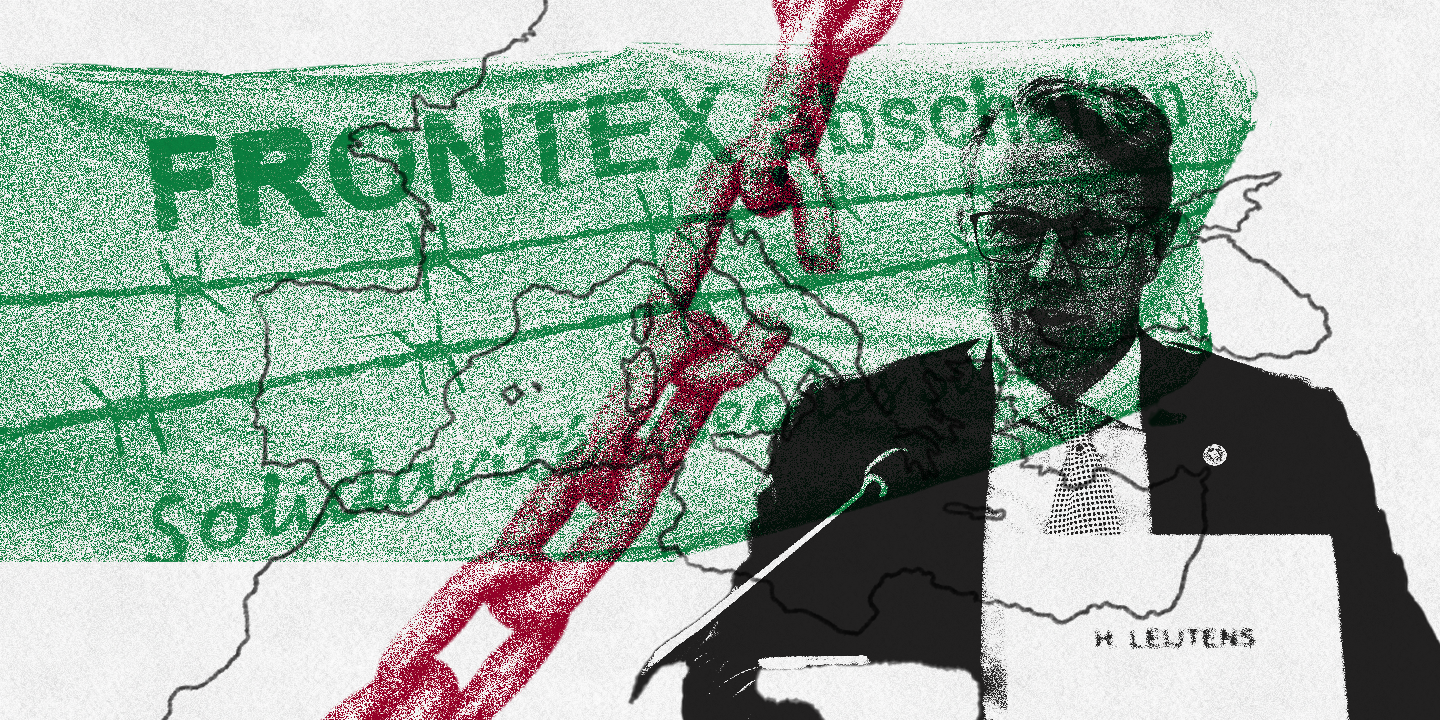
Frontex uses border capacity review to argue its own value
A report from the EU’s border agency Frontex examines the border control capacity of individual member states as well as the EU as a whole. Aside from offering considerable information updates, including changing migration flows and improved operational capacities in some regions, the report also serves as a way for Frontex to tout its own value and remind member states of its continued relevance, ahead of an expected mandate review later in the year.

Europe’s uncertain plans for rolling out the automated border system ETIAS
The European Travel Information and Authorisation system (ETIAS) is due to launch at the end of this year, yet faces criticism from civil society and European institutions. Even Frontex, the EU border agency known for its own poor data practices, has highlighted concerns about the system's compliance with data protection laws. The European Commission’s failure to release legal guidance on compliance and a pending judgment of the Court of Justice of the European Union (CJEU) adds to the uncertainty surrounding the planned system's start.

Europol seeks a new director to 'shape the agency's future'
Europol is in the process of hiring a new director to replace Catherine de Bolle. At the same time, the former executive director of Frontex faces a French court for complicity in crimes against humanity. Both agencies have a history of acting beyond the law to prevent people from migrating to Europe, with little to no repercussions. If Europol's new director follows suit, the recent reform to the Europol regulation will likely shield them from adequate oversight.
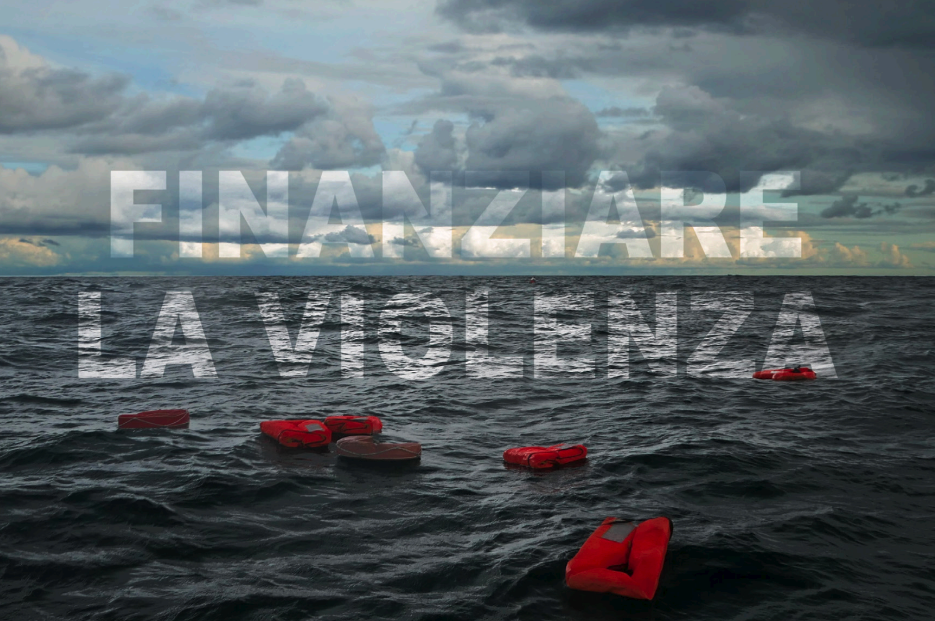
The hidden EU funds behind violence at sea
In August 2025, the humanitarian vessel the Ocean Viking was shot at in international waters north of Libya. The attackers were part of what is known as the Libyan Coast Guard - a collection of militias and other actors funded by the EU to prevent irregular migration to Europe. A new report reveals the financial ties between the EU and the so-called Libyan Coast Guard. It also shows how, despite clear evidence of mass violence waged against migrants and humanitarians, the EU plans only to extend the cooperation.
Border externalisation: updates to EU external Action Files
The latest issue of our bulletin on EU border externalisation policies includes: action files for Egypt, Tunisia, Mauritania, Afghanistan and the Western Med and Atlantic Route, hints at the future governance of Frontex and a plea to 'mention' human rights more in external engagements

A transition for Statewatch
In this video interview, Chris Jones and Alamara Khwaja Bettum discuss Statewatch's past, present and future. They review Chris's last 15 years of Statewatch and his thoughts on the current and future state of politics, civil liberties and activism.

Frontex's European blackmail over migrants’ ‘voluntary’ returns
With a 22,900% increase in so-called 'voluntary' returns over the last six years, and a budget in excess of €1 billion, Frontex is fast becoming the protagonist in Europe's border control policy

EU border externalisation: updates for Iraq and Bangladesh
Two 'action files' obtained by Statewatch update European government ministers on the state of counter-migration spending and projects in Bangladesh and Iraq. Both countries were recently reported by the EU to be cooperating more on deportations of their citizens from Europe, and these 'action files' reveal considerable effort from the EU to further restrict migration.
Border externalisation: how to make people deport themselves
The latest issue of our bulletin on EU border externalisation policies includes: how EU member states want Frontex to expand its control in non-EU countries; the Council thinking out loud about how to pressure people into deporting themselves; and the EU wants to reassert control in the Sahel.

The EU targets Guinea for visa punishment: a sign of what's to come
On 15 July 2025, the European Commission proposed punitive visa sanctions against Guinea, marking an escalation in its campaign to force third countries to cooperate on deportations. This move, based on Article 25a of the EU Visa Code, cites Guinea’s persistent “failure to cooperate sufficiently” with the EU’s deportations agenda. It is emblematic of the coercive diplomacy the EU is willing to resort to, even if the results of such coercion are unclear.

The US demands exemptions for military and diplomatic staff in the EU’s digital borders system
The US has demanded the EU give preferential treatment to its diplomatic, military and other personnel, exempting them from mandatory fingerprinting and facial scanning at the borders of the Schengen zone. An internal note from the Council of the EU provides guidance to member states on how to be “flexible”.

UK: More than 120 organisations call out government's proposals on earned settlement
Alongside over 120 organisations, Statewatch is calling out the UK government’s proposals and the accompanying consultation on earned settlement. The government’s proposals would disproportionately punish refugees and racialised communities, by imposing hierarchical and discriminatory standards for those pursuing settlement.

Joint statement condemning EU law enabling home raids, policing of public services and racial profiling
The EU must withdraw all provisions to expand and normalise immigration raids and surveillance measures under the proposed Deportation (“Return”) Regulation. A statement signed by Statewatch and 87 other organisations warns of the real and immediate threat posed by the proposals which purport to legitimise ICE-style immigration enforcement measures across the EU.

Submission to Home Office consultation on a new legal framework for law enforcement use of biometrics, facial recognition and similar technologies
On 12 January, Statewatch responded to the Home Office’s consultation on developing a new legal framework for governing the use of biometrics, facial recognition and similar technologies.
The EU's “new and innovative solution” to migration: pay other countries to intercept people
An EU Council document obtained by Statewatch shows EU policymakers dredging up an old idea - paying non-EU states to intercept and detain irregular migrants - in service of their larger project to prevent irregular migration to Europe.

UN report warns of “existential threat” to civil liberties
Shrinking aid systems and expanding security policies are eroding democratic rights and freedoms, a UN expert warned in a report published last year that received no coverage from mainstream media.
Spotted an error? If you've spotted a problem with this page, just click once to let us know.