Greece: Criminal law used to target civil society organisations
Topic
Country/Region
28 January 2026
The Greek government's latest move to stifle the work of civil society groups has been condemned by more than 70 organisations, including Statewatch, as unjust, unlawful and unreasonable.
Support our work: become a Friend of Statewatch from as little as £1/€1 per month.
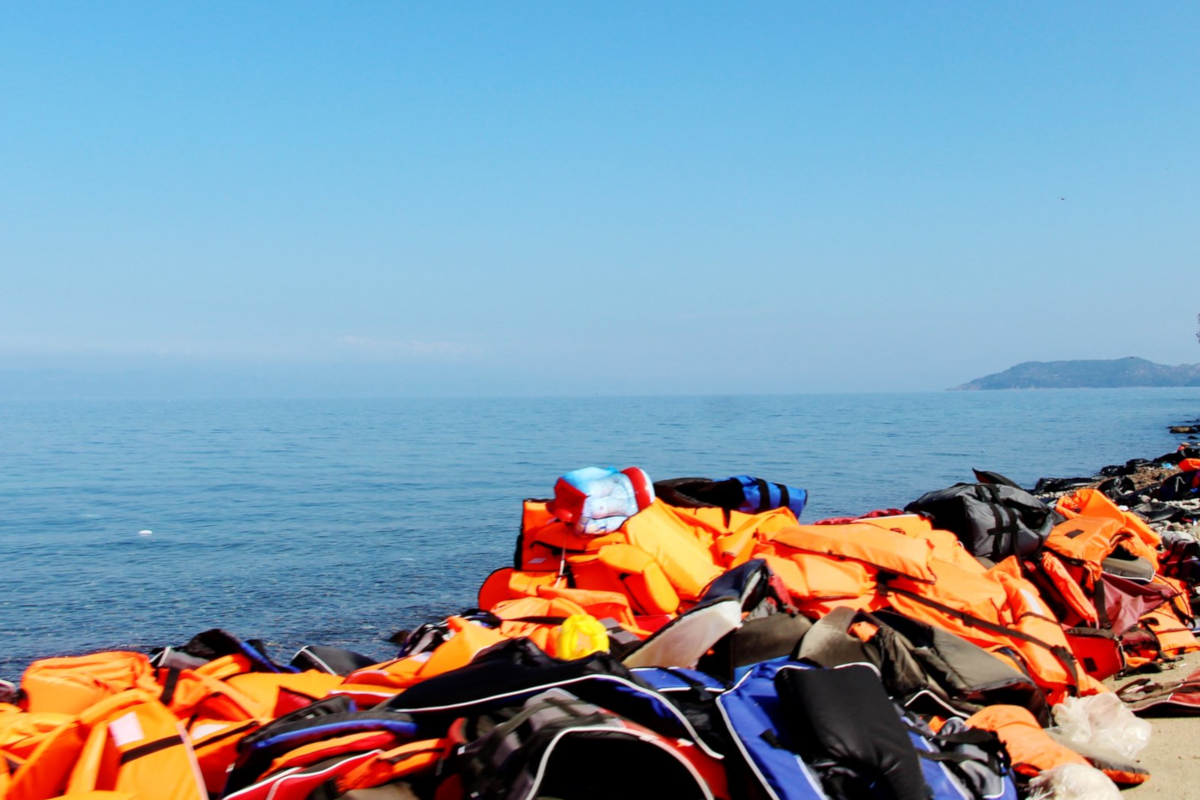
Image: Marienna Pope-Weidemann, CC BY-NC-SA 2.0
The government's proposed changes to the country's migration code would transform certain misdemeanours into criminal offences, if committed by members of a group entered in the country's registry of non-government organisations.
The registry was introduced in 2020 and widely-criticised, including by experts from the Council of Europe who said (pdf) it was detrimental to "freedom of association and the protection of civil society space."
The registry followed on from government efforts that began in 2016, when large numbers of refugees were arriving in and travelling through Greece, and voluntary groups sprang up to help them.
The new proposals follow on from a range of measures introduced last year dealing with "transparency" and preventing criticism by NGOs of the government's migration policy.
Repeated attacks on independent organisations by the New Democracy government have severely limited their ability to provide support to refugees.
The changes to Greece's migration code are condemned in a statement coordinated by Refugee Support Aegean.
The statement condemns the plans for trying to "intimidate civil society... For the undersigned organisations, this attempt is unjust, unlawful, and unreasonable. We call for the immediate withdrawal of these provisions."
Our work is only possible with your support.
Become a Friend of Statewatch from as little as £1/€1 per month.
Further reading
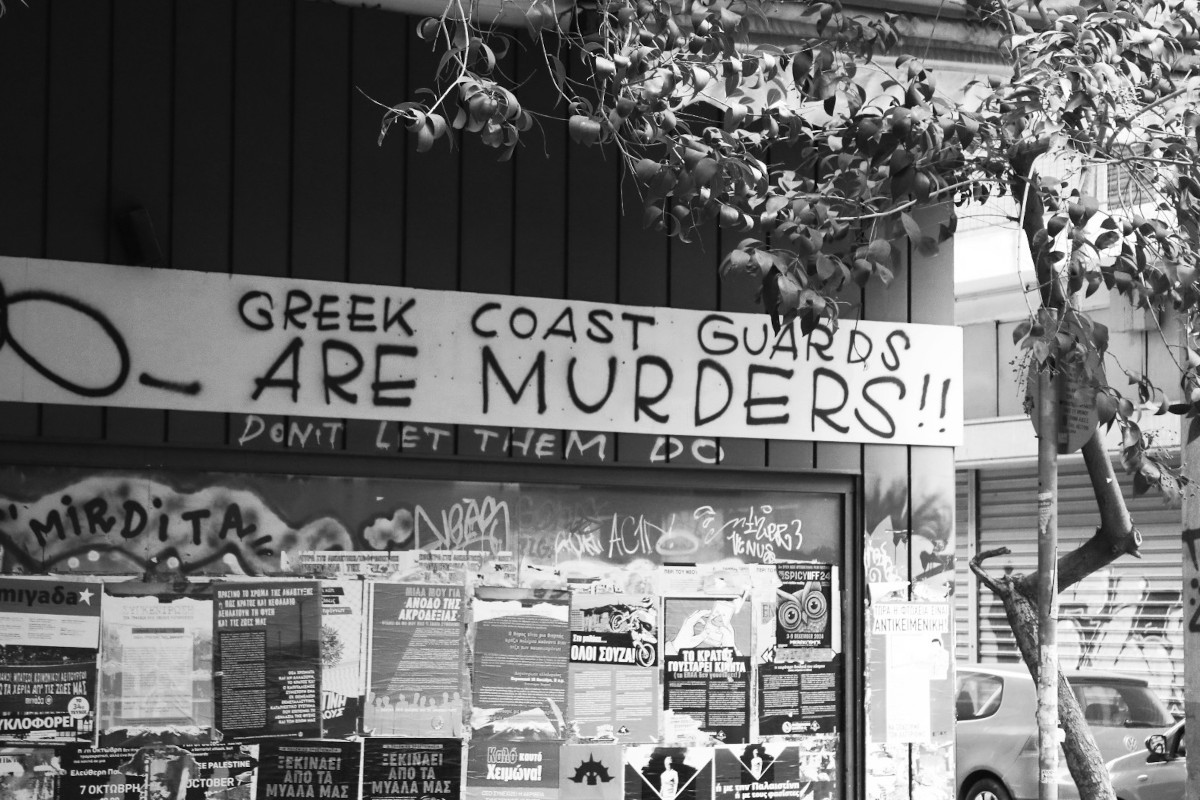
Greece: Illegal, violent deportations: the heavy toll of seeking asylum in Europe
Asylum seekers in Lesvos report that violent pushbacks by masked Greek coastguard forces persist, involving physical abuse, strip searches, theft, and potential use of migrants as auxiliaries.
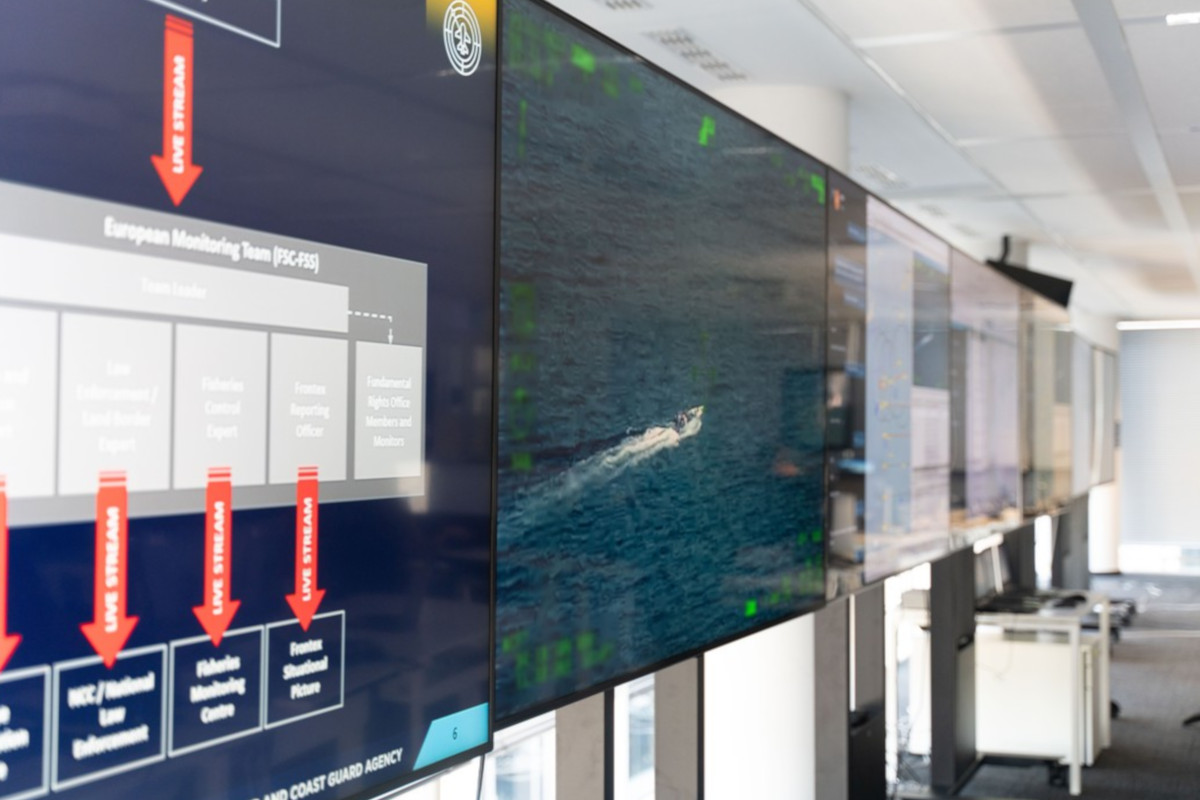
Greek border deaths: Frontex management board knew about "systematic" violations
An investigation by the BBC has put the Greek state’s deadly border policies back in the public eye – but there has so far been no mention in the press of Frontex’s operations in the country. Documents seen by Statewatch show that despite warnings from its own fundamental rights officials, Frontex’s senior staff and management board did nothing to halt the agency’s operations in Greece. Suspending or terminating operations is a legal obligation when rights violations “are of a serious nature or are likely to persist.” A case before the Court of Justice of the EU is seeking an order to halt Frontex’s Greek operations, with an appeal filed in January still pending.
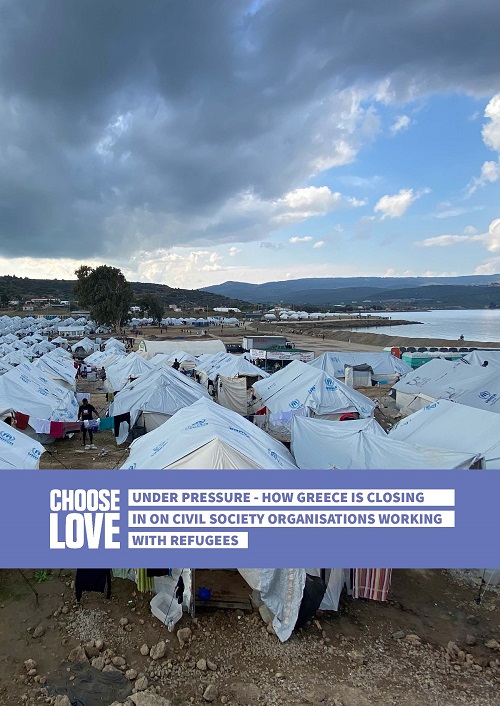
Greece: Crackdown on civil society groups working with refugees
A survey of 70 groups working with migrants and refugees in Greece reveals widespread problems provoked by changes to the country's legislation governing civil society organisations.

Spotted an error? If you've spotted a problem with this page, just click once to let us know.