April

Joint letter to challenge the delay and limited transparency surrounding the establishment of the AI Act Advisory Forum
Statewatch has co-signed a letter to the Head of AI's office to flag concerns surrounding the delay and limited transparecny surrounding the establishment of the AI Advisory Forum.
Frontex uses border capacity review to argue its own value
A report from the EU’s border agency Frontex examines the border control capacity of individual member states as well as the EU as a whole. Aside from offering considerable information updates, including changing migration flows and improved operational capacities in some regions, the report also serves as a way for Frontex to tout its own value and remind member states of its continued relevance, ahead of an expected mandate review later in the year.

Europe’s uncertain plans for rolling out the automated border system ETIAS
The European Travel Information and Authorisation system (ETIAS) is due to launch at the end of this year, yet faces criticism from civil society and European institutions. Even Frontex, the EU border agency known for its own poor data practices, has highlighted concerns about the system's compliance with data protection laws. The European Commission’s failure to release legal guidance on compliance and a pending judgment of the Court of Justice of the European Union (CJEU) adds to the uncertainty surrounding the planned system's start.

Europol seeks a new director to 'shape the agency's future'
Europol is in the process of hiring a new director to replace Catherine de Bolle. At the same time, the former executive director of Frontex faces a French court for complicity in crimes against humanity. Both agencies have a history of acting beyond the law to prevent people from migrating to Europe, with little to no repercussions. If Europol's new director follows suit, the recent reform to the Europol regulation will likely shield them from adequate oversight.
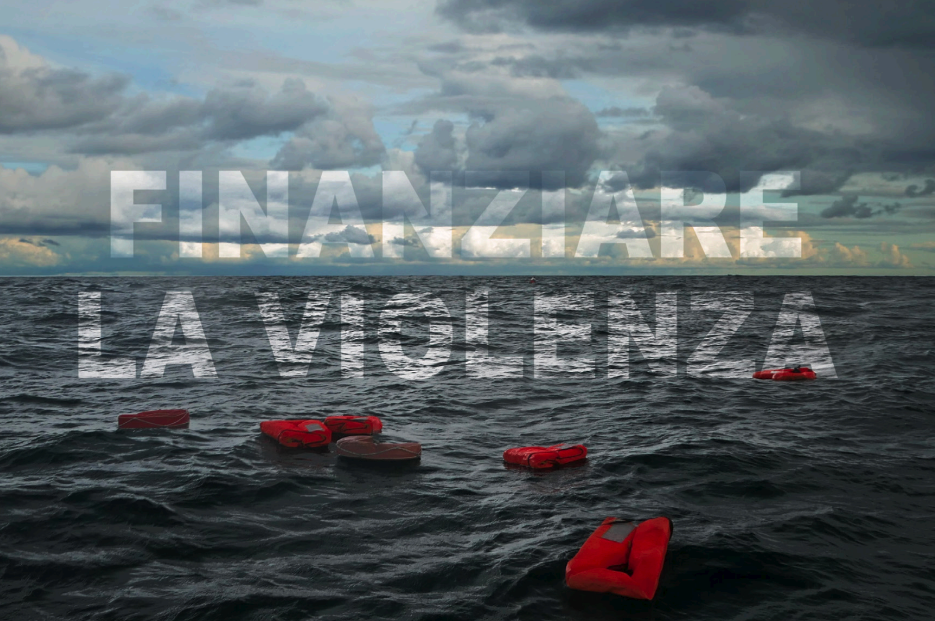
The hidden EU funds behind violence at sea
In August 2025, the humanitarian vessel the Ocean Viking was shot at in international waters north of Libya. The attackers were part of what is known as the Libyan Coast Guard - a collection of militias and other actors funded by the EU to prevent irregular migration to Europe. A new report reveals the financial ties between the EU and the so-called Libyan Coast Guard. It also shows how, despite clear evidence of mass violence waged against migrants and humanitarians, the EU plans only to extend the cooperation.

Border externalisation: updates to EU external Action Files
The latest issue of our bulletin on EU border externalisation policies includes: action files for Egypt, Tunisia, Mauritania, Afghanistan and the Western Med and Atlantic Route, hints at the future governance of Frontex and a plea to 'mention' human rights more in external engagements
Spotted an error? If you've spotted a problem with this page, just click once to let us know.