
The plan to establish a “Regional Return Mechanism” was signed off by ministers from the Western Balkans states, more than half the EU member states, the French Presidency of the Council of the EU and Switzerland.
The joint statement was obtained by Statewatch through an access to documents request filed as part of the research for a new briefing, Access denied: Secrecy and the externalisation of EU migration controls, which was supported by the Heinrich Böll Stiftung.
Ministers committed to “intensify cooperation” for “demand-oriented and targeted support in the field of return, in particular from the Western Balkans towards third countries” by ensuring the “rapid matching of needs and possible return assistance,” on the basis of a new ‘Return Action Plan’.
The statement also calls for “flexible Return Partnerships between Western Balkan partners, EU partners and/or Switzerland and/or on thematic areas of importance for returns,” such as “the exchange of best practices” and “better communication with specific countries of origin and transit”.
The commitments are echoed in the European Commission’s recent action plan on the Western Balkans, which promises to “increase EU action to step up returns from Western Balkans partners.” However, the action plan makes no mention of the Regional Return Mechanism or the Return Partnerships that were approved in February.
The actions promised by ministers in the February statement are to be implemented by the Joint Coordination Platform, a body hosted by the Austrian government that was established in 2020 by a joint ministerial declaration.
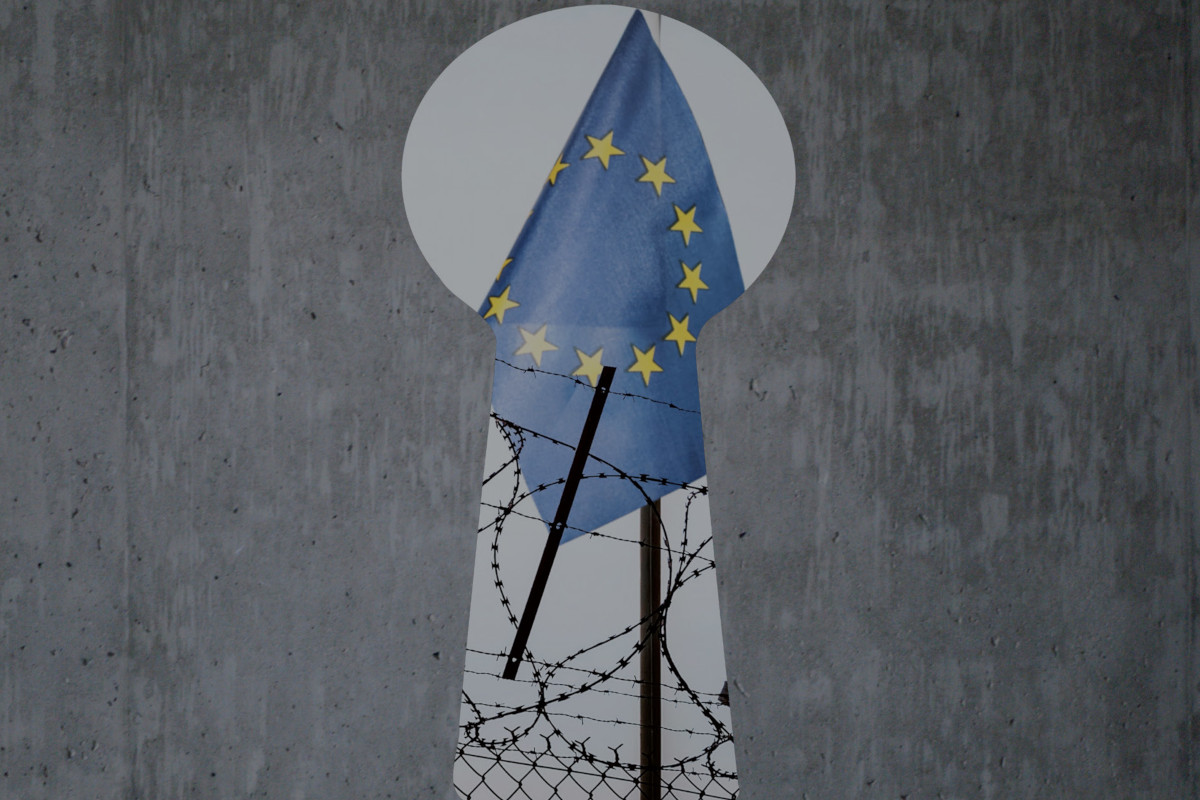
The tendency for the externalisation of EU immigration controls to be implemented through actions by states’ executive and operational arms is one trend highlighted in the Statewatch briefing, which also includes case studies on high-level diplomacy by EU officials, the expansion of EU action in Niger, attempts to use “information campaigns” to influence the actions of people who may make irregular journeys towards the EU, and plans for EU agencies Frontex, Europol and the EU Asylum Agency to cooperate more closely with the Moroccan authorities on border control and migration issues.
The briefing shows that growing cooperation and expenditure to externalise the EU integrated border management model to third countries (in tandem with security cooperation) has not been accompanied by greater transparency, despite the human rights and budgetary implications of such efforts.
The need to protect international relations and protect public security are frequently invoked to ensure secrecy over the implementation of initiatives that seek to strengthen third states coercive powers in ways that may harm both migrants and citizens.
Full report

