EU to increase lethal migration cooperation with Libya
Topic
Country/Region
08 January 2026
The EU is set to fund migration control infrastructure in the eastern region of Libya, a move that will increase cooperation with general Khalifa Haftar, once a pariah to western states. The plan to extend EU cooperation into eastern Libya comes despite long-standing condemnation of Libyan and EU involvement in human rights abuses, shooting at NGO vessels, and accusations of crimes against humanity.
Support our work: become a Friend of Statewatch from as little as £1/€1 per month.
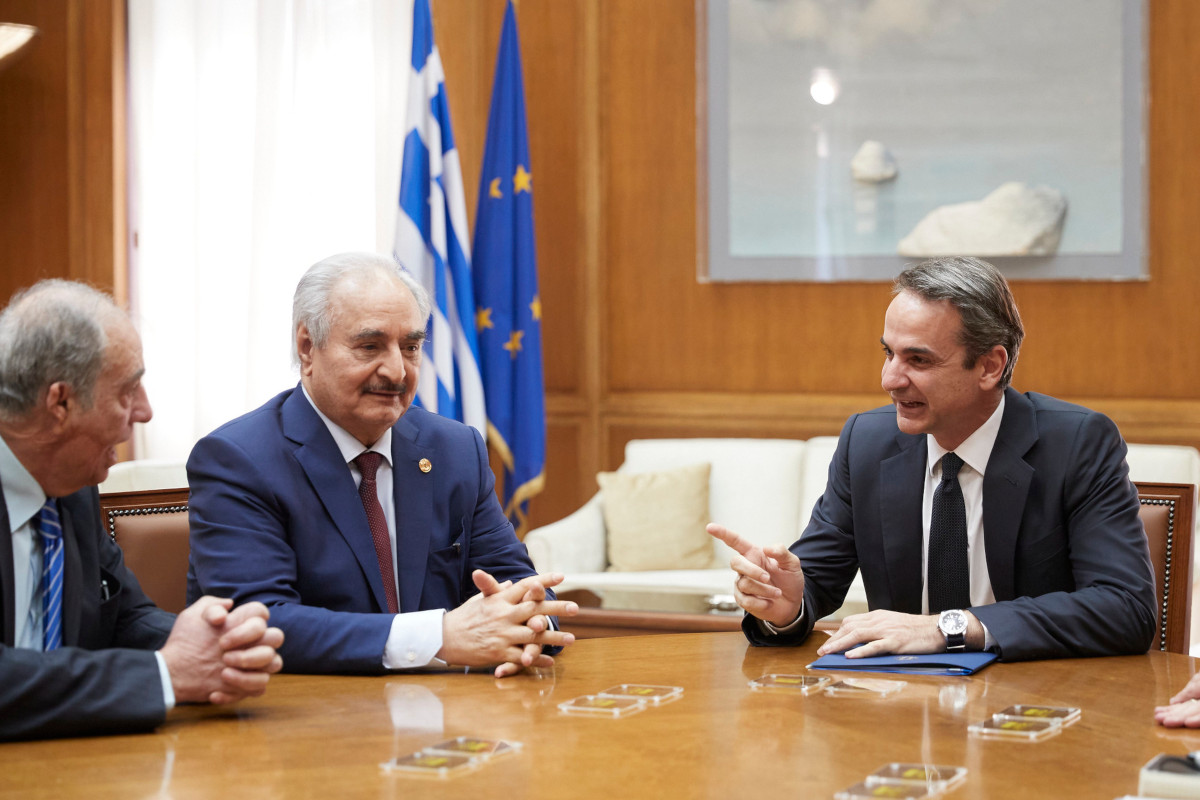
Greek government officials meet with Khalifa Haftar in January 2020. Image: ΝΕΑ ΔΗΜΟΚΡΑΤΙΑ, CC BY-NC 2.0
A report by German journalist and activist Matthias Monroy, originally published on the German news site nd, reveals plans for the construction of an EU-funded Maritime Rescue Coordination Centre (MRCC) in Benghazi, in the eastern region of Libya controlled by General Khalifa Haftar.
The plan comes in response to an increase in migrant departures from the eastern coast of Libya, with people often heading for the Greek islands of Crete and Gavdos.
According to the nd article, an MRCC would serve as the base of operations for eastern coastal forces, allowing enhanced cooperation with the EU’s border force Frontex, and offering considerable international legitimacy for Haftar’s forces.
The plan appears to be in the initial stages, with start-up funding of €3m via the EU’s ‘European Peace Facility’ budget.
It suggests that Haftar’s years-long courting of European politicians is bearing fruit.
Haftar and his sons – both powerful officials in his regime - are known to be complicit in the widespread abuse, exploitation and murder of migrants, both on land at sea.
Up until now, Haftar’s eastern forces, which are formally opposed to the western-backed Government of National Unity in Libya’s western region, have not benefitted from EU support.
In recent years, however, the general has made overtures to individual EU member states as well as Russia. He has sought both material support and diplomatic recognition, with the latter leading to an embarrassing incident for the European Commission last summer.
Monroy reports that the MRCC will be spearheaded by Italy, one of the EU member states Haftar has most directly courted, and which is already a key player in EU cooperation with western Libyan forces.
The EU has a long-standing relationship with, and has offered extensive support to, coastal forces in Libya’s west – a group of inter-linked militias and semi-state entities known as the ‘Libyan Coast Guard’.
That support has backed up the forcible interception, mass abuse, kidnapping, exploitation, sexual violence, forced labour and even murder of people on the move in Libya.
Amid this, civil society in both Europe and Africa, as well as various members of the European Parliament and refugee advocates, have called on the EU to sever the relationship and stop emboldening the Libyan Coast Guard in its abuses against hundreds of thousands of people.
A complaint was recently filed with the International Criminal Court accusing the EU and member state officials of crimes against humanity in the central Mediterranean, though it remains to be seen whether the court will take up the case.
Rather than finally recognising the folly of supporting the Libyan Coast Guard’s abuses, it appears the main concern of the EU is that its support has not gone far enough.
Read Monroy’s full article in nd (German) or on his blog (English).
Our work is only possible with your support.
Become a Friend of Statewatch from as little as £1/€1 per month.
Further reading
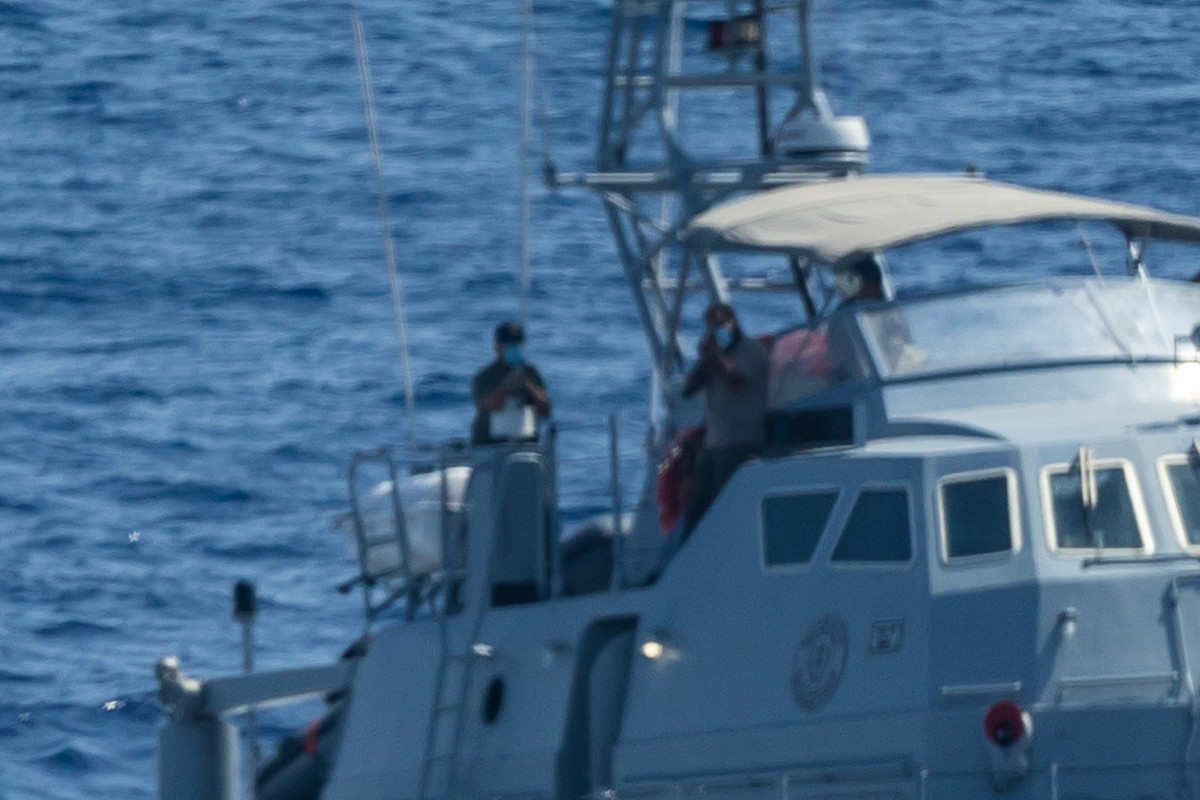
EU-funded aggression: How years of impunity led to the attack on the Ocean Viking
On 24 August, members of the so-called Libyan Coast Guard spent 20 minutes firing hundreds of bullets at humanitarian workers and rescued people on board the Ocean Viking. The attack is the result of years of EU funding, coordination and policy empowering violent actors in an attempt to seal its borders from refugees. What happens next will determine whether international law is reaffirmed or erased entirely.

Impunity for war criminals and the European migration strategy in Libya
New leaked documents show that the EU’s “border assistance mission” in Libya is slowly expanding its work and is entering a “consolidation phase”. The efforts to “stabilise” the North African country include increased cooperation with Frontex. Meanwhile, in January, a wanted war criminal was arrested in Italy, only to be released and flown back to Libya on a government jet. This act made Italy and the EU’s reliance on third-state actors to maintain their migration policy clear. Politicians in Europe consider their migration policies so essential that they are willing to undermine the so-called rules-based international order to maintain them.
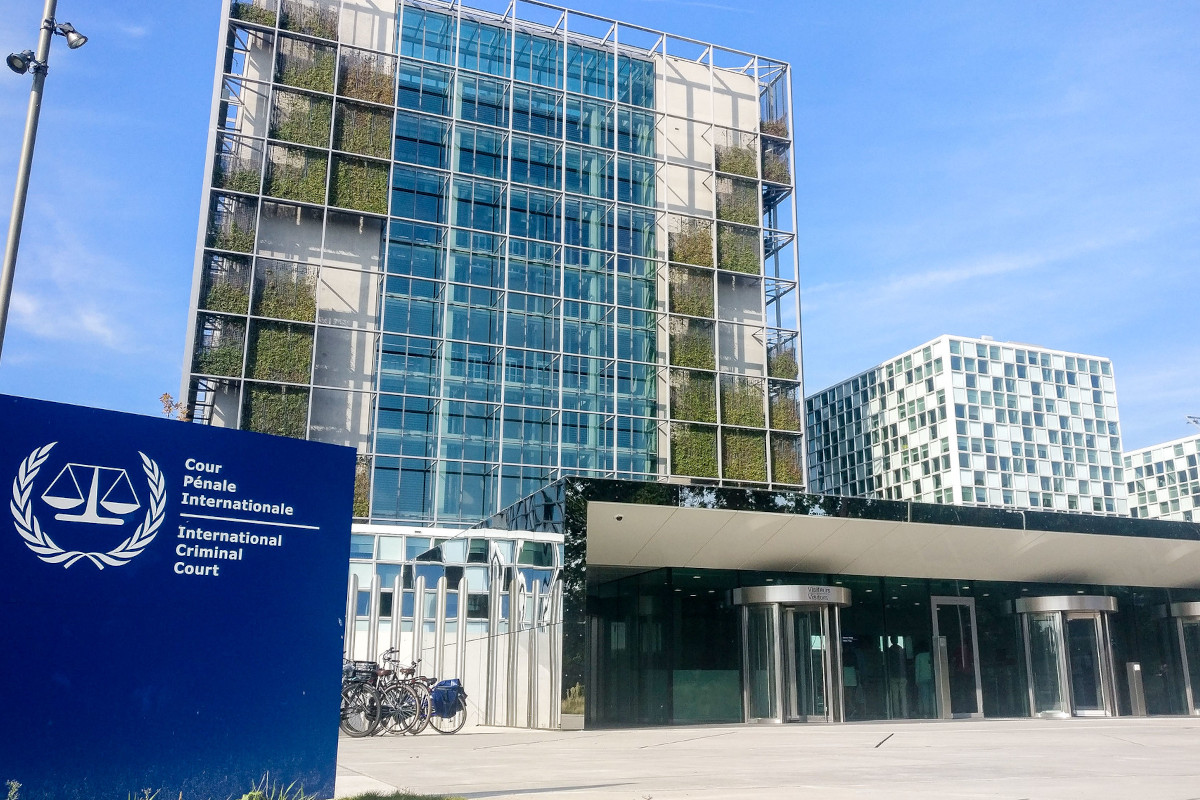
Italian ministers should face justice for freeing fugitive war criminal, says legal complaint
A case filed with the International Criminal Court calls for the launching of investigations into Giorgia Meloni, the Italian prime minister, and two other high-ranking Italian politicians. The complaint accuses them of helping an alleged war criminal wanted by the ICC to escape from Italy to Libya. In doing so, they obstructed the work of the International Criminal Court, says the filing - a crime under international law.


Spotted an error? If you've spotted a problem with this page, just click once to let us know.