UK: ‘Radio Nick’: a private spy hired by the police
Topic
Country/Region
18 December 2025
In October, a court case led to the exposure of a private spy who had been hired by the police to infilitrate multiple campaign groups for almost a decade, Nick Gratwick. A new report by the Undercover Research Group documents Gratwick's activities in the late 1990s and early 2000s in detail. The case highlights the lack of laws and regulations governing private intelligence agents.
Support our work: become a Friend of Statewatch from as little as £1/€1 per month.
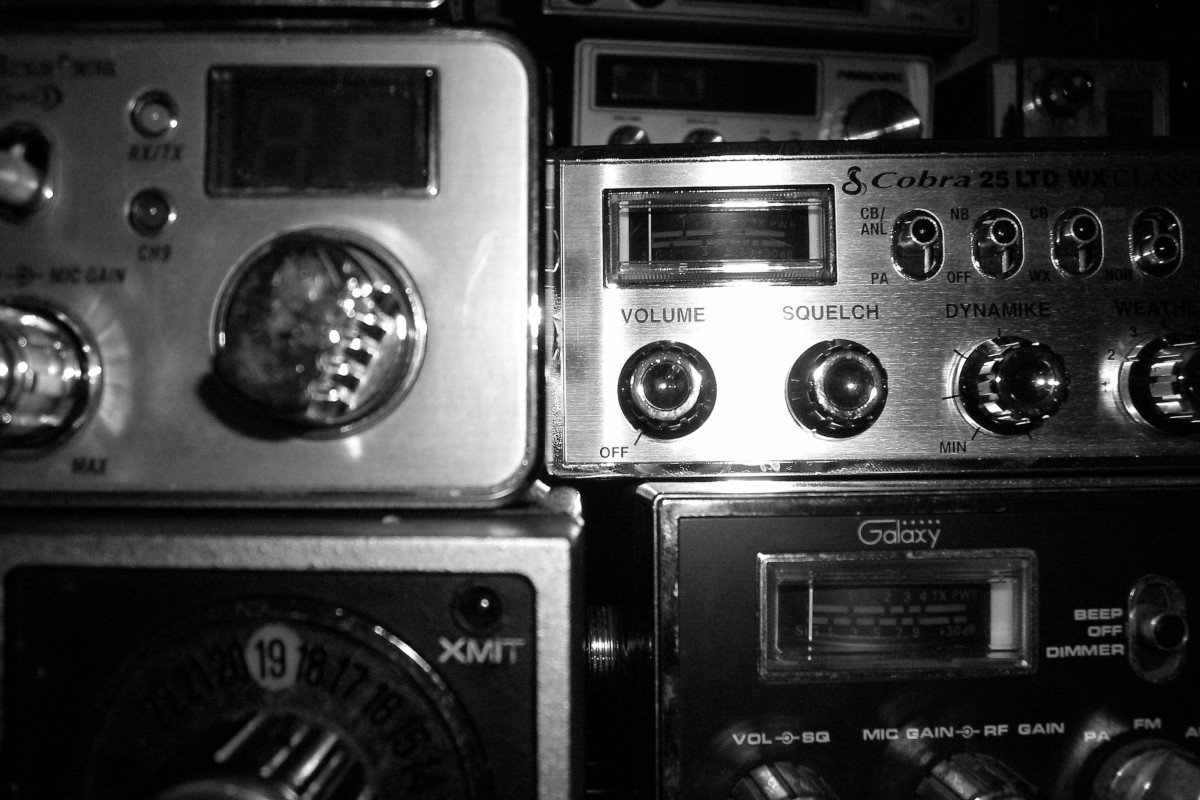
Image: Jason Shipps, CC BY-SA 2.0
By Eveline Lubbers and Donal O’Driscoll, Undercover Research Group
Private spy confesses role
For ten years, Edward Nicholas Gratwick was a private intelligence agent employed first by the police and later working on behalf of large corporations, infiltrating environmental and animal rights groups.
The Undercover Research Group (URG) has been investigating Nick for many years, but the final confirmation came in an unexpected way, when he was on trial for extreme paedophilia. He will be sentenced in January 2026.
During his trial Gratwick finally admitted he had been an informer – something the police confirmed in the trial. This was an extremely rare admission. In general, police still prefer to ‘neither confirm nor deny’ whether someone was an intelligence source, for fear of impacting the possibility of recruiting in the future.
Gratwick was not ‘turned’ into being an informer – that is, he was not placed under pressure by the police to spy on his fellow activists. The URG research shows that he was a willing agent from the start.
As ‘Radio Nick’, Gratwick used his technical skills and professed financial expertise to inveigle his way into campaigns. Wherever Gratwick was active, some suspicions arose.
The Undercover Research Group has tracked his activities over the years, speaking to many people who knew him and following paper trails. Much of his infiltration is documented in an in-depth report on him that was released this month.
From anti-roads protests to animal rights activism
Gratwick was initially contracted by Thames Valley Police to infiltrate the Newbury road protests, something obliquely referenced in the 2002 television documentary series True Spies. He would spend the next decade reporting on a variety of campaigns.
At the Newbury protests in 1995, Gratwick set up the citizens band (CB) radio communications system, which earned him his nickname. Once embedded, he became a quartermaster, in charge of the campaign’s limited resources (including cash) and betrayed key defences.
From Newbury, he moved to London. From 1997 to 2000 he was active with Greenpeace (UK) and Reclaim the Streets, continuing to pass details of actions to the police.
His paymasters, apparently pleased with his work, redirected him into animal rights activism, where he continued to undermine campaign activities.
Though he stopped working for the police in 2003, Gratwick continued reporting on groups on behalf of private companies.
In this time, he targeted London Animal Action, Stop Huntingdon Animal Cruelty and SPEAK campaigns in Oxford, at a time when they were under intense police scrutiny. He provided megaphones, technical advice and was often seen driving the LAA minibus.
This went on until 2006, when suspicions increased to the point that he was excluded from the movement.
Most of Gratwick’s work overlapped with that of the undercover officers deployed by both the Special Demonstration Squad and of the National Public Order Intelligence Unit into the same activist groups. The work of these units and their agents is currently the subject of the long running Undercover Policing Inquiry.
Police using private spies
However, there is a key difference: Nick was not a police officer, so subject to even less oversight than them. Gratwick operated under a contract between Thames Valley Police and a small private intelligence firm called Verify Ltd, based in Reading.
There is a long history of cases like this. Perhaps the best known is the intensive targeting of London Greenpeace by McDonald’s in the 1990s, culminating into the McLibel trial.
Other well documented cases include Martin Hogbin and Paul Mercer infiltrating Campaign Against the Arms Trade and related campaigns, or Rebecca Todd targeting London Rising Tide, all in the 2000s.
What makes the case of ‘Radio Nick’ different is that he was initially hired and directed by the police.
The cooperation between police and private intelligence has only grown since, as has large corporations’ desire for intelligence on workers and campaigners fighting for labour rights and environmental justice.
No legal framework governing private spies
The Gratwick case illustrates the lack of legal frameworks governing the use of private intelligence agents.
There is no legislation specific to private intelligence companies, so there is little recourse when they deceive, disrupt or invade private lives, compared to undercover police doing similar work.
Private intelligence agencies are also frequently set up by former police officers that, through the ‘old boy’ circuit, are still in contact with their colleagues at the force and sharing information.
Private intelligence firms are constantly trying to infiltrate operatives into political movements, hired by large corporations willing to pay for such information – or, in the case of the Radio Nick, hired by the police themselves. It is a lucrative business.
---
If you have any information you would like to share, reach out to contact@undercoverresearch.net
Our work is only possible with your support.
Become a Friend of Statewatch from as little as £1/€1 per month.
Further reading
UK: Police footage of protests can be held for decades
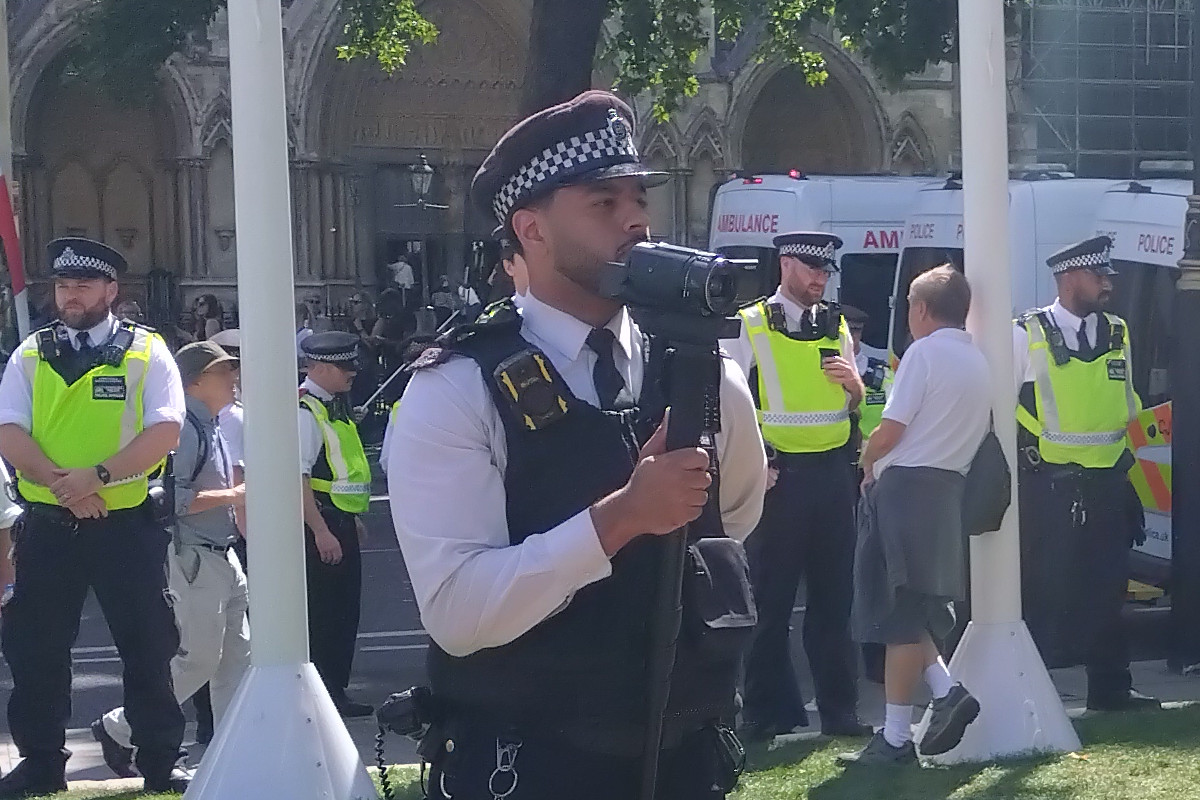
Police in London and across the UK regularly film protests, with multiple officers often deployed to do so. A response to a recent freedom of information request says that footage of “a public order event without targeted individuals” can be held “for a period of up to 6 years.” However, if it contains “intelligence” it can potentially be held for decades.
UK: Undercover policing: new archive sheds light on the spycops scandal
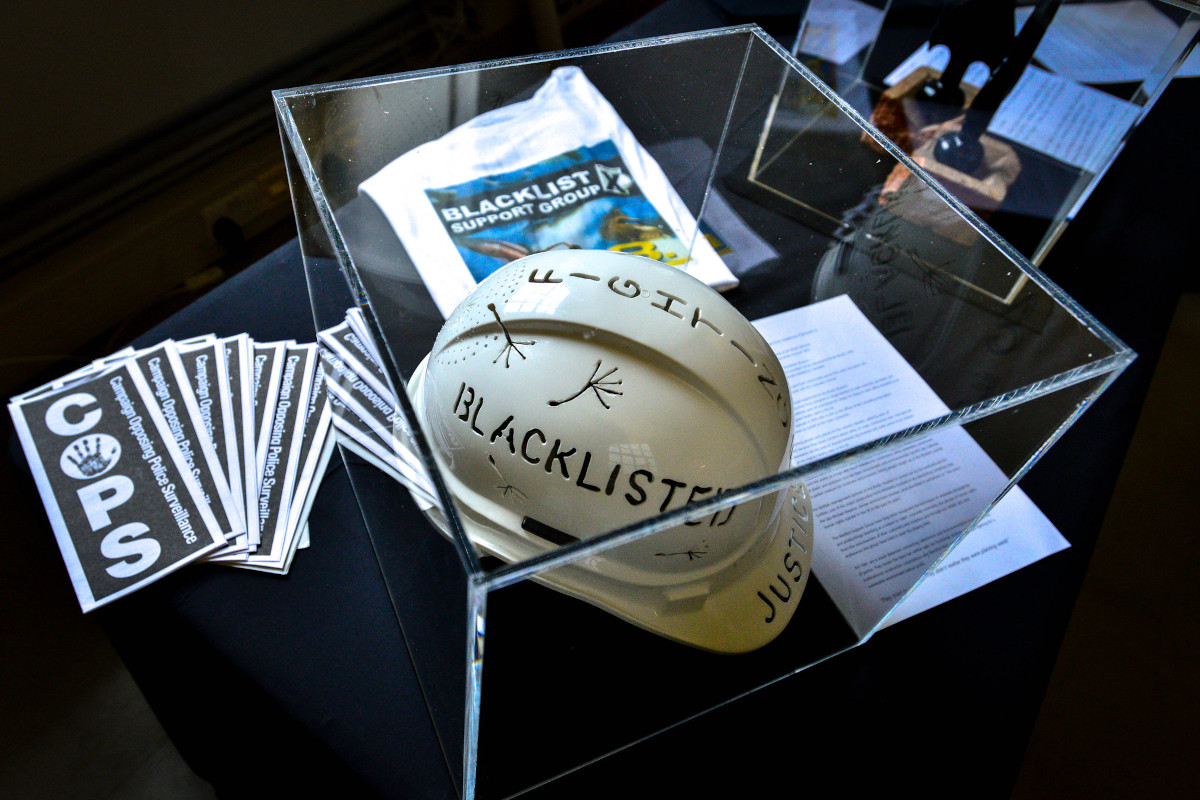
In 2010, a police spy was uncovered in the UK environmental movement. His exposure set off a chain of events that led the government to announce an official Undercover Policing Inquiry. Now, a new archive gathers all the documents released by that inquiry since public hearings began in 2020. It is designed to help activists continue the fight against political policing and state secrecy, and to push for transparency and accountability.
Environmental activism under the EU counter-terror microscope
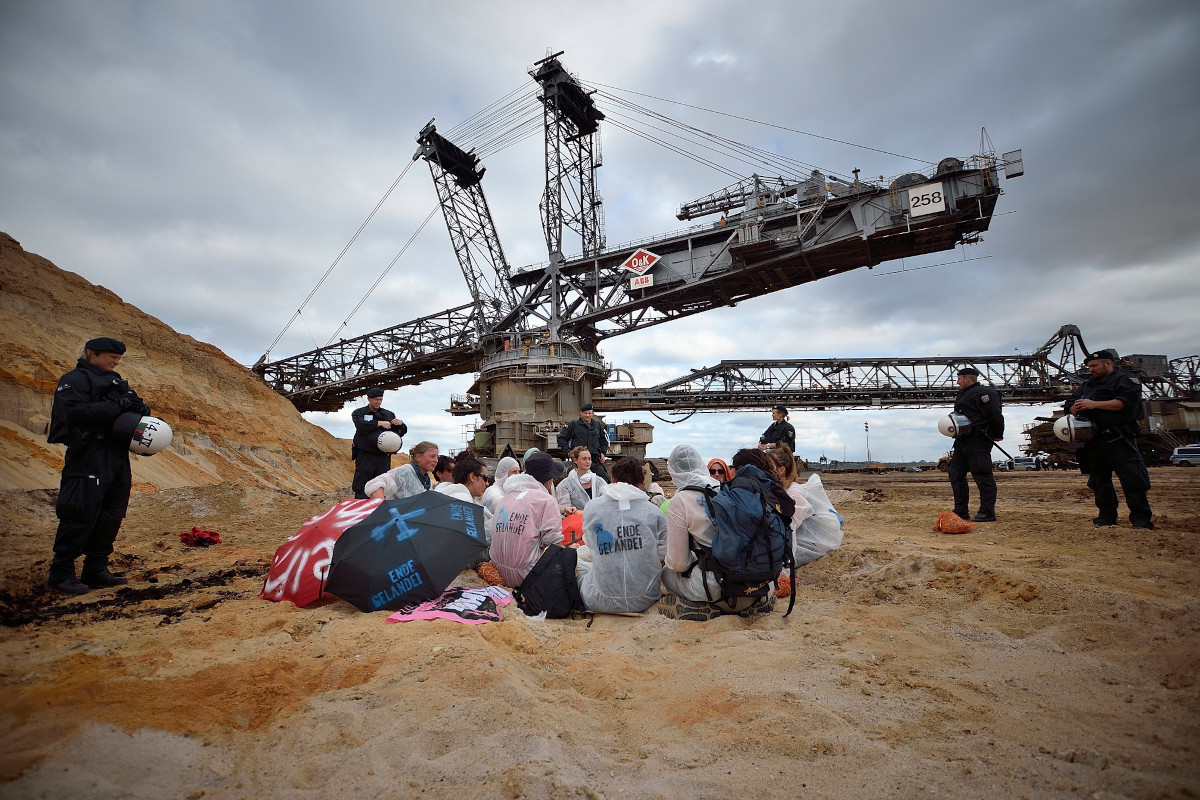
Next week, EU and member state officials will discuss “the role of climate change and environmental concerns in violent extremist and terrorist radicalisation.” A discussion paper for the meeting, obtained by Statewatch, considers the threat posed by “violent left-wing and anarchist extremism” – a heading under which a number of prominent environmental protest groups are mentioned. The inclusion of peaceful but disruptive groups in the paper may legitimate further police surveillance and infiltration, legal harassment and government crackdowns – a problem identified as “a major threat to human rights and democracy” by a UN Special Rapporteur.
Spotted an error? If you've spotted a problem with this page, just click once to let us know.