2026
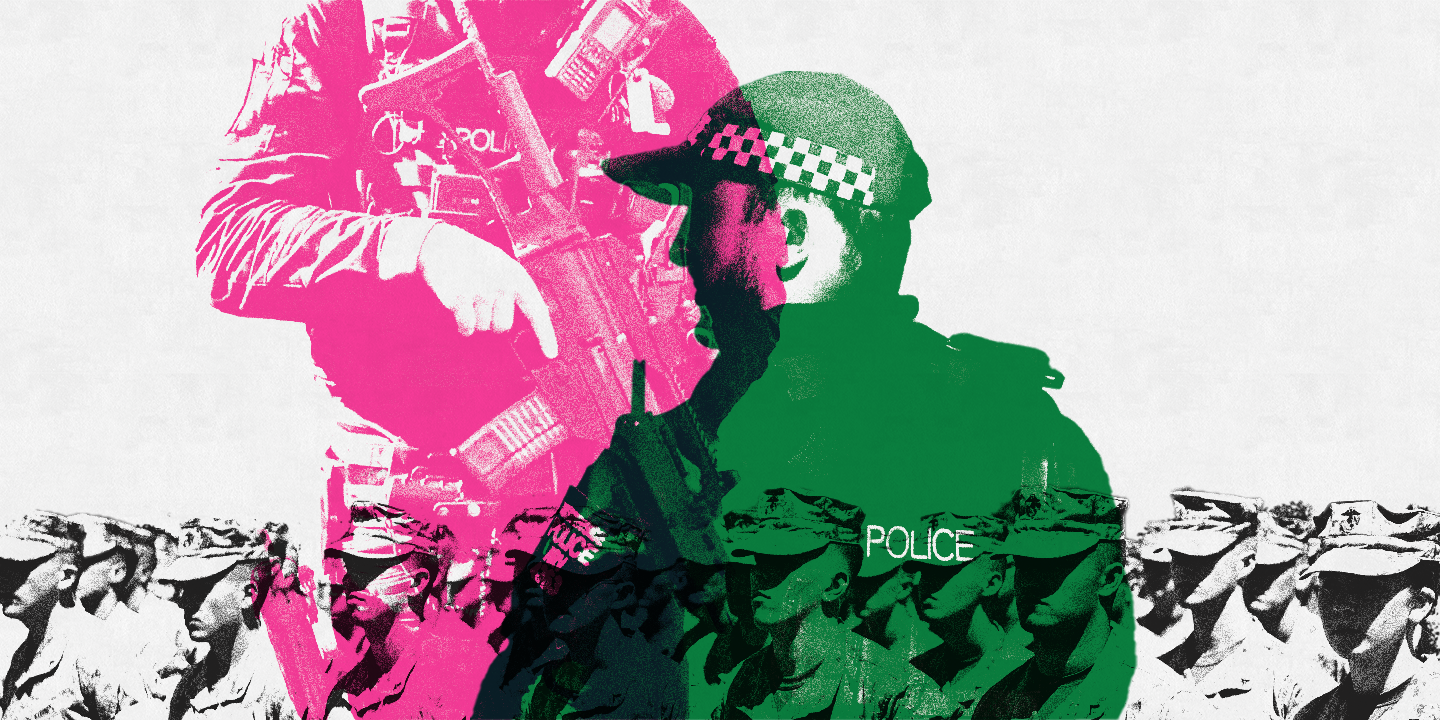
Clear, hold, build: the UK’s new ‘neighbourhood’ policing strategy built on colonial military practice
The UK's new policing strategy, “Clear, Hold, Build”, has deep roots in colonial and military strategy. While it has been re-branded as a successful, community-centric approach, it has resulted in police targeting of some of society’s most marginalised groups. This historical analysis shows how its imperial doctrine represents an introduction of colonial military methods meant to dominate, rather than uplift, local communities.
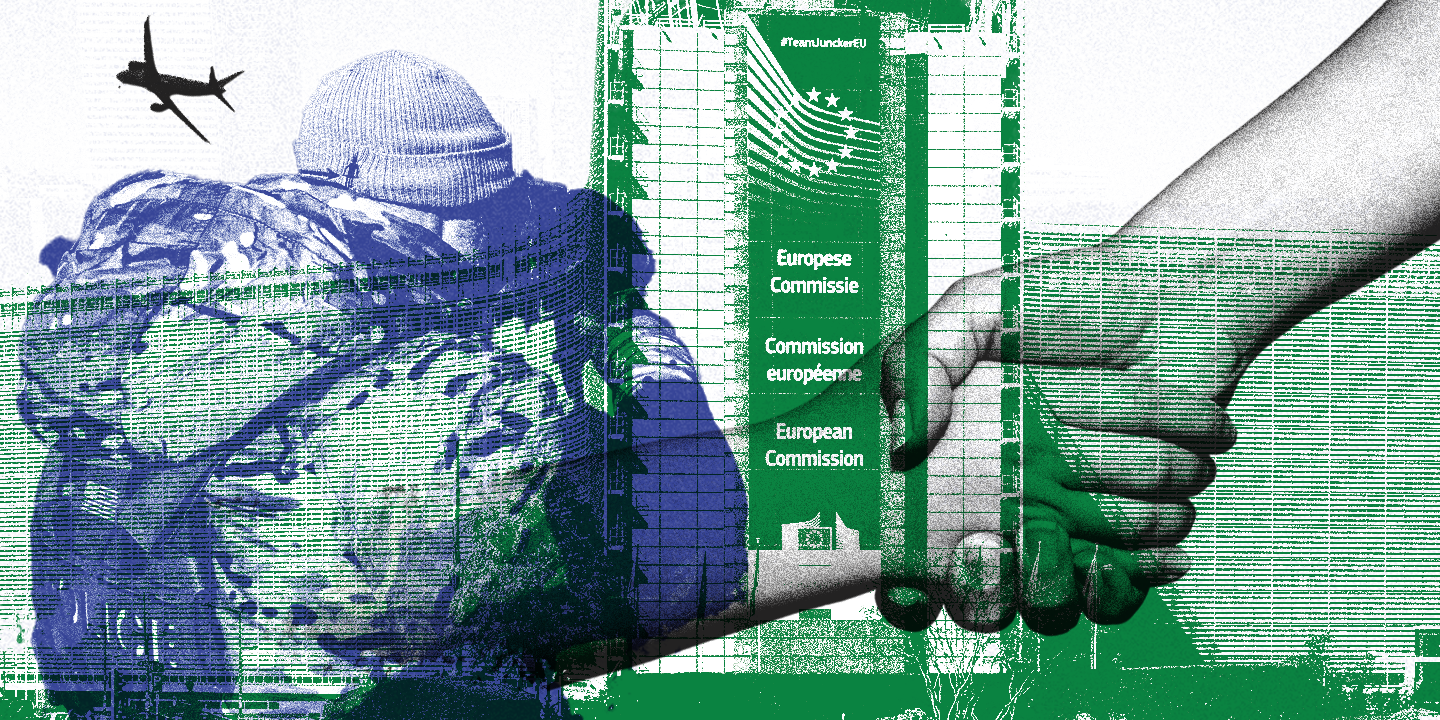
EU-US data exchange proposal in conflict with EU laws
Since December 2025, the European Union and the United States of America have been negotiating an agreement to exchange information for security screenings and identity verification related to border procedures and visa applications. The European Commission’s current proposal, published by Statewatch, manifestly violates EU law. It goes much further than their limited mandate for negotiation granted by the Council of the EU and against essential data protection safeguards set out by the European Data Protection Authorities. Anyone’s data exchanged under this proposed agreement could be used for a wide range of purposes. This includes preventing or arresting people travelling to the USA who have voiced opposition to US policies in Europe, or for automated discriminatory profiling of travellers, including EU citizens.

Counterterrorism and children's data: Child rights implications of data-driven technologies and migration policies
In a world where data is routinely shared across borders, children are at risk of lifelong consequences when their names are placed on security databases or watchlists. Whether children are used by armed groups, suspected of links to them, or who simply have family members involved, they may be screened by official authorities. This often involves recording and storing their sensitive personal data and can lead to them being flagged as a security risk. This article suggests ways to reduce these risks by integrating a child rights-based lens to counterterrorism work.
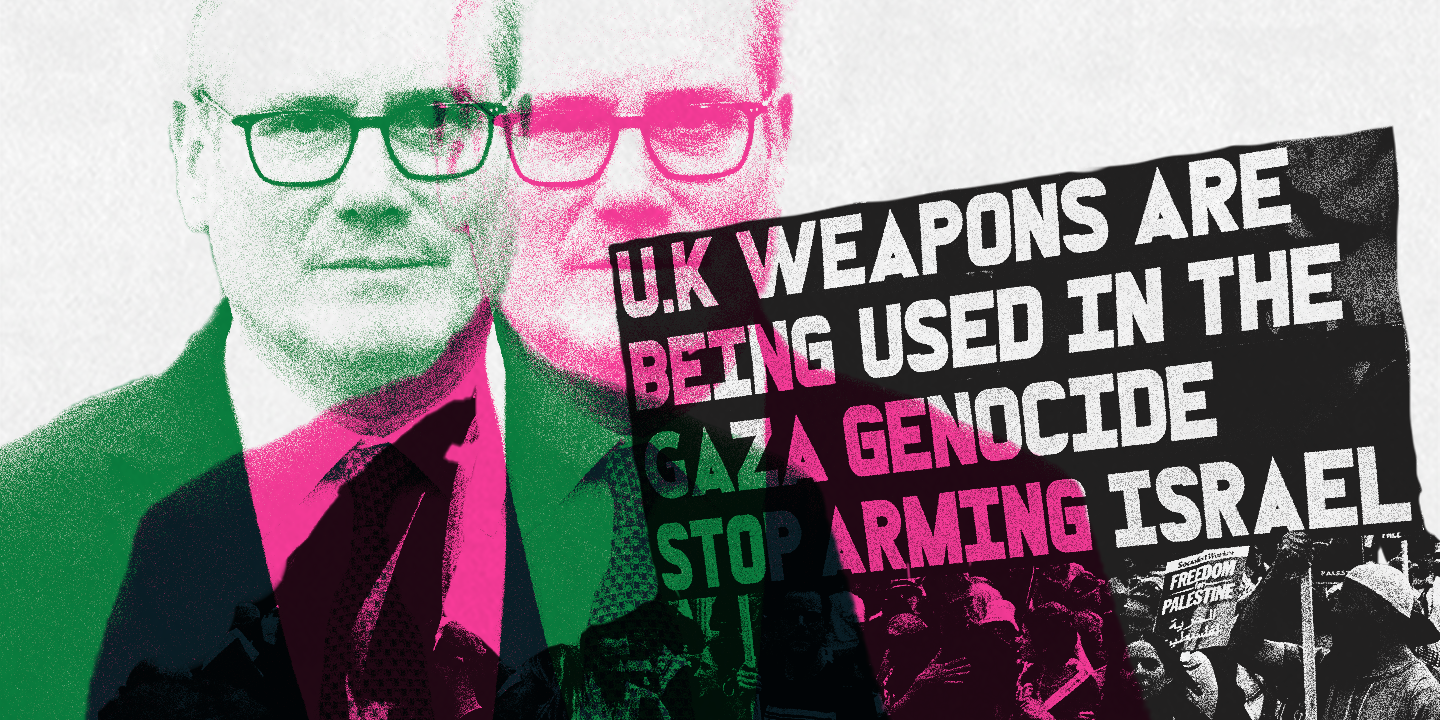
The decline of rights under UK’s Labour: 2024-2026
The UK has had a Labour party government for nearly two years. Despite Prime Minister Keir Starmer promising that change would "begin immediately", under his watch the government has continued, and at times intensified, a crackdown on civil liberties begun by his Conservative predecessors. The result is more surveillance, greater potential for police abuse and the criminalisation of nearly all meaningful forms of protest.

Frontex mandate review 2026: violent border practices to be expanded further
The European Border and Coast Guard Agency, better known as Frontex, is set for a major overhaul, with it seeming likely Frontex’s mandate will be expanded by the end of 2026. Along with increased border guard staffing, the agency could see its role in border control and deportations extended far beyond European territory. In this analysis, researcher Marloes Streppel breaks down the main themes of the proposed Frontex overhaul, details the EU’s main motivations and priorities and concludes with concerns raised by civil society groups and academics.

Invoking the "instrumentalisation" of migration, the UK follows in the EU's footsteps
In 2025 the UK announced a new sanctions regime targeting alleged people smugglers. It makes use of the “instrumentalisation of migrants” narrative that has been increasingly invoked by the EU since the early 2020s. This article explains what this narrative is, the powers it is used to justify and how it contributes to the degradation of migrant and refugee rights.
Spotted an error? If you've spotted a problem with this page, just click once to let us know.